

Tired of messy cuts and short-lived pieces in your plasma cutter? Plasma consumables, like nozzles and electrodes, play a huge part in getting smooth results. 1 This guide will break down which parts matter most and how to pick the right ones for steady, clean plasma cutting every time. 2 Stick around—your next project might just feel a lot easier. 3
What Are Plasma Consumables?
Plasma cutting consumables are key parts inside plasma cutting torches. These small but mighty pieces—swirl rings, electrodes, nozzles, retaining caps and shield caps—wear out over time.
Nozzles and electrodes put in the hardest work. Expect them to have shorter lifespans since they focus and create the arc that slices through sheet metal like a hot knife through butter. 1
Fabrication shops often check their plasma cutters after heavy use. Visual checks matter—a nozzle with an enlarged hole signals it’s time for a change. Electrodes get swapped when pitting reaches more than 1-1.6 mm deep.
Cutting speed, amperage settings and material thickness can all affect how fast you’ll be swapping these tools out.
Stay sharp by changing your consumables as soon as wear shows—even skilled welders can’t cut straight with dull parts.
Importance of consumables in plasma cutting
Consumables in plasma cutting take a beating. They face high heat, flying sparks, and lots of wear. Good ones make the difference between a smooth, sharp cut or a messy edge that looks like you sliced bread with an old shoe.
Each part—nozzles, electrodes, swirl rings, shield caps, retaining caps—has its own job.
Electrodes guide the power; nozzles control the arc’s shape; swirl rings cool things down. 2 Swirl rings also keep the nozzle from burning out faster than cookies at a bake sale.
Cutting thick steel? Blasting with more amps burns through tips like kids go through candy on Halloween night. On thin sheet metal, consumables last longer if you’re steady with your hand and don’t rush cuts.
Choosing poor quality parts costs money over time—a cheap nozzle wears out quicker and messes up performance on machines from big names like Hypertherm or Thermal Dynamics. Regular checks spot worn parts before they wreck workpieces or slow jobs down to a crawl.
From handling to keeping extras dry as crackers in a cookie jar, every step matters for top results in plasma cutting shops across the country. 2
Types of Plasma Consumables

Plasma cutting depends on five main consumables, each with a job as important as the next. Every part handles heat, pressure, and wear in its own way.
- Nozzles focus the plasma arc into a tight beam, making sharp cuts through metal. Size matters here—big nozzle holes mean rougher cuts; small holes make cleaner lines. 3
- Electrodes carry electricity from the torch to the workpiece. Made of copper and hafnium, they last longer than plain copper tips but still need replacing after heavy use.
- Swirl rings spin gas around the plasma arc so your cut stays straight and cool. These little plastic or ceramic rings can make or break your cutting precision.
- Shield caps cover and protect the nozzle from damage during action. They keep sparks away from sensitive parts, helping you avoid ugly burns on your gear. 1
- Retaining caps bring all other parts together and lock them into place inside the torch head. Over time, heat breaks down these caps—so keep a spare handy if you don’t want your project stalled.
Hypertherm SYNC cartridges combine some of these pieces in one easy-to-change part, which saves time out in the shop—I’ve swapped plenty over years of fabricating tractor plates under tight deadlines!
Key Components of Plasma Consumables

Each piece, from the tip to the swirl ring, keeps your plasma torch humming along. Think of them as a pit crew for your cutter—quietly working together so you get smooth, sharp slices every time.
Nozzles
Nozzles play a vital part in plasma cutting, squeezing the plasma gas as it moves through. 4 Standard, shielded, and drag tip nozzles each suit different tasks. I’ve swapped out dozens myself—believe me, picking the right one for your metal’s type and thickness can make or break your cut.
More amps? Crank up that air pressure or risk turning your nozzle into toast.
Problems like clogging from metal debris and heat damage hit hard if you use worn-out parts. Dual flow models have been showing off lately by lasting longer than single flow types—talk about getting more miles for your money! 4 A neat trick: keep extra tips on hand so work never stops when something gets jammed during a project with my trusty Hypertherm torch.
Electrodes
Electrodes fit inside the torch and focus electricity to make the plasma arc. Most are thin, made of copper, and hold a bit of hafnium at the tip—like a tiny spark plug ready for action.
Each time you use your cutter, that small dot of hafnium starts to melt away and forms pits. Watch out if those pits get deeper than 1 to 1.6 mm—a sign it is time for a fresh electrode. 3
In fast-moving jobs or thick steel, heat can eat up electrodes quick. I have swapped these little guys more often than I thought possible on tough days in the shop. Always replace electrodes together with nozzles so cuts stay sharp and machines last longer.
Plasma cutting experts like Hypertherm keep packs handy because running out stalls work faster than you’d expect!
Swirl Rings
Swirl rings, made from ceramic or volcanic ash, look simple but play a big part in plasma cutting. They spin the plasma gas around the electrode and direct it into the nozzle. 5 Most swirl rings turn gas clockwise, though some are built to go counter-clockwise for certain machines like Hypertherm Powermax or Thermal Dynamics Cutmaster.
A swirl ring keeps the nozzle insulated from the electrode. This stops interference that can ruin your cut quality with any torch system—old or new. 5 Good maintenance here makes all the difference; if I kept my Miller Spectrum 625’s ring clean and checked for cracks, cuts came out smooth every time.
Ignore this small piece, you might notice poor performance before long!
Shield Caps
Shield caps act like helmets for your plasma torch. They stop sparks and molten metal from damaging the insides, kind of like how a goalie blocks shots in hockey. Hypertherm and Thermal Dynamics use these parts to keep machines safe and cutting steady. 1
Slag loves to stick to shield caps during long projects. If too much builds up, airflow can take a nosedive, leading to messy cuts or even equipment trouble. Clean off slag after each job with a soft brush or cloth.
Got stubborn buildup? Swap out the shield cap for a fresh one without blinking—your plasma cutter will thank you! 6
Retaining Caps
Retaining caps lock the electrode and nozzle in place, making sure everything sits tight inside your plasma cutting torch. These small parts direct gas flow, which helps keep the plasma arc focused and sharp—like a spotlight on a stage.
Good retaining caps do more than hold things together; they boost cut quality by increasing visibility while you work and reduce messy dross. 6
Proper installation is vital here. A loose or worn cap can cause headaches—think poor cuts, wasted material, or frequent replacements for other consumables like nozzles or electrodes.
High-quality caps last longer and save money over time. For example, models such as the Plasma Retaining Cap 220935 fit torches like Maxpro200 perfectly, bringing out peak performance on tough projects without missing a beat.
A Closer Look at Plasma Nozzles
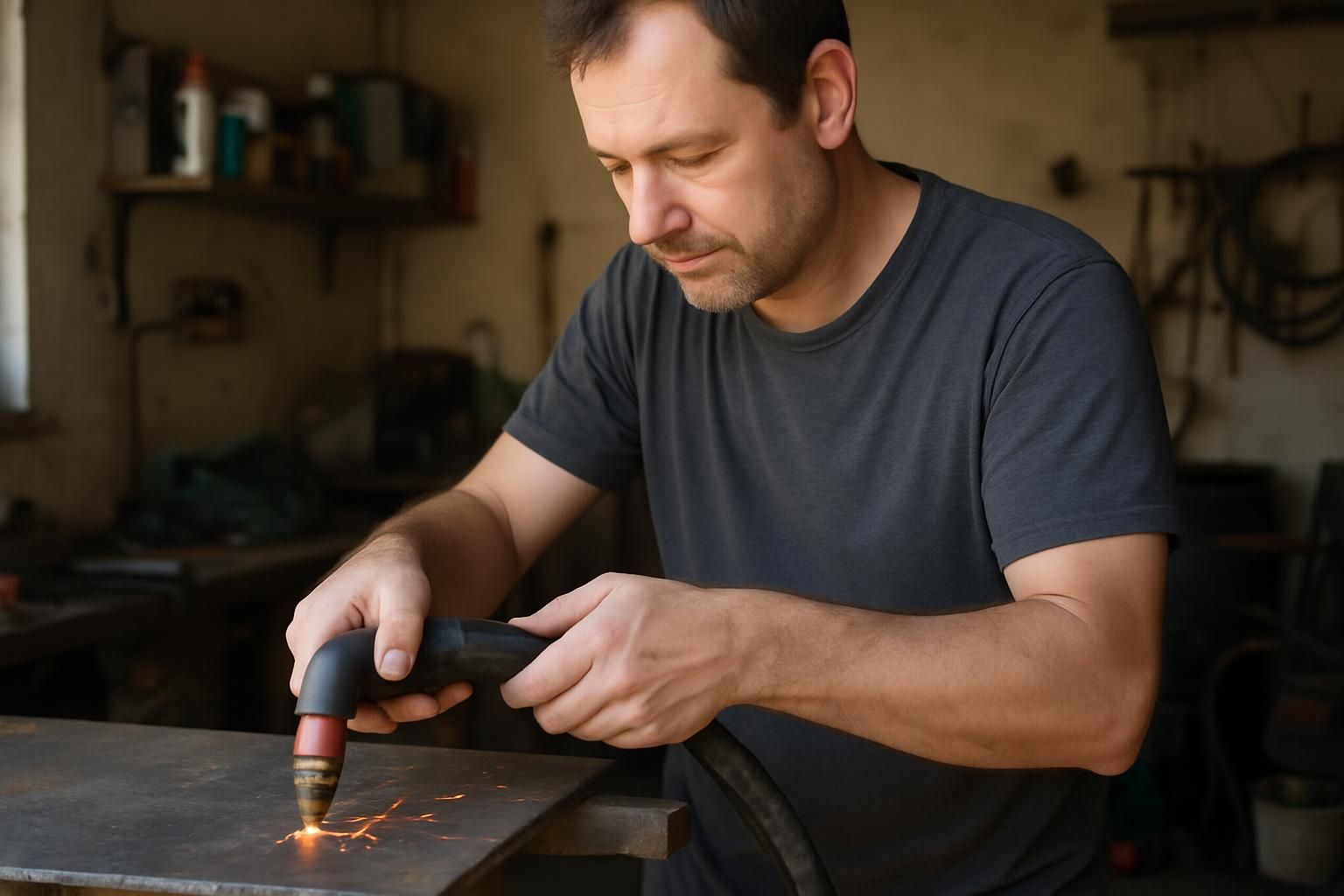
Plasma nozzles play a huge role in plasma cutting, plain and simple. The nozzle controls the shape and direction of the hot arc. Pick the right one, and metal slices crisp as toast—pick wrong, you might end up with messy edges or lots of dross stuck to your cut lines.
There are three main types: standard tips for straight cuts, shielded versions to fight against spatter buildup, and drag tip nozzles for cutting freehand on top of metal sheets. One old pro I know swears by dual flow designs—they keep things cooler under high amps and help gas flow steady even during long jobs. 4
Nozzle choice depends on what you’re slicing through—thick steel plate? Go for a beefy version with a bigger hole; thin sheet? Stick to something finer like those 0.9 millimeter cups used in handheld Hypertherm torches.
Clogging happens if dirt creeps into the ports or cheap copper melts from too much heat—seen that more than once after someone cranked up their machine past 100 amps without checking pressure settings first! Regular cleaning helps but don’t forget wear is sneaky; holes get wider over time which zaps your precision fast.
Newer shapes launched around 2022 tweak airflow better so you use less gas per hour while squeezing out cleaner cuts at higher speeds—a win-win if you cut all day in an auto shop or fabrication plant.
Factors to Consider When Choosing Plasma Consumables

Picking the right plasma cutter parts feels like picking shoes—get them wrong, and your cut turns messy fast, so keep reading to pick a winner.
Compatibility with plasma cutters
Matching your plasma consumables with the right cutter makes all the difference, no joke. Each nozzle and electrode needs to fit the machine’s model and work well at its amperage, or you’ll be swapping them out faster than socks on laundry day.
For example, a Hypertherm SYNC 65A Mechanized Cartridge must go in a matching Hypertherm torch—no wiggle room there. Amperage settings have to match what those tips are designed for or your cut gets messy fast. 7
Set your pierce and cut heights right every time; too high or too low spells trouble for both consumable life and cutting quality. If you notice premature wear or odd cut shapes, check if that new Thermal Dynamics 22-1153 Plasma Nozzle Tip matches your system’s specs before blaming bad luck.
Changing arc voltage based on how worn your parts are can squeeze more use from each part. 7 Small details like these keep you from burning through cash—and piles of toasted nozzles—every month.
Material quality and durability
Copper electrodes with a solid build cut down on wear, but standard all-copper electrodes need to go in the trash at about 0.040 inches hafnium pit depth—no ifs, ands, or buts. 7 Stick to nozzles that match the amperage settings you see in your manual; otherwise, they’ll burn out faster than popcorn in a microwave set too high.
Hypertherm SYNC cartridges and Thermal Dynamics tips are well known for lasting longer because of better materials.
Keep gas moving steady as a drumbeat and make sure coolant does its job so parts like shield caps do not fail early. A smooth swirl ring made from tough ceramic will last through many jobs before showing signs of trouble.
Always go by the cut chart settings listed by the tool maker—they know best how their components hold up under stress, which can save both money and headaches over time.
Cutting precision and performance
Cutting with plasma is like steering a fast boat—speed and control matter. Using the right working gas, such as oxygen or nitrogen, lifts cut quality to new heights. 8 Moderate cutting speed brings cleaner lines than racing through metal too quickly, so don’t rush it.
Set your current carefully; high amperage slices faster but burns out nozzle tips quicker than you can say “arc wear.”.
Set nozzle height just right for steady voltage and a healthy arc length. Too low or too high? You’ll get messy edges every time. Arc column loss sneaks up and steals accuracy from your cuts, so keep an eye on the torch’s path.
For steel or aluminum between 10mm and 25mm thick, machines like the Hypertherm SYNC cartridge hold their own all day long—sturdy tools for serious jobs. Chop smart, not hard!
Cost-efficiency and replacement frequency
Plasma cutting consumables, like nozzles and electrodes, do not cost much. Brands such as Hypertherm and Thermal Dynamics offer items that fit many CNC plasma cutters. Good quality parts last longer, work more efficiently, and give cleaner cuts.
Clean edges save you extra time on grinding or fixing mistakes. 9
Reliable consumables cut down on machine downtime by needing less frequent swaps. If a shop uses high-grade tips and caps, they might only replace them after 40-60 hours of steady use instead of every week.
Since plasma cutting already has lower running costs than other CNC machines, investing in sturdy components makes each job cheaper over time. It is wise to keep spare swirl rings or shield caps handy for quick changeouts—no one likes waiting mid-project because parts wore out early! 6
Best Plasma Consumables in 2025
Choosing the top plasma cutting parts in 2025 is a big deal for anyone holding a torch. Let’s walk through some headliners that can keep your cuts cleaner, faster, and more reliable than an old hound dog chasing its tail.
Plasma Electrode for Thermal Dynamics Plasma Cutting Torch
The Plasma Electrode for Thermal Dynamics torches keeps cutting sharp and steady. Many shops pick this part for clean, smooth edges on all sorts of metal jobs.
A solid electrode helps prevent ragged or messy cuts that waste metal.
If you run into trouble or have questions about fit, user support stands ready to guide you through your options by phone or chat. Thousands use these electrodes daily in projects big and small—think garage workbenches to full-throttle fabrication floors.
Quality always matters here; it pays off every time your torch sparks up right away without hiccups.
Hypertherm SYNC 65A Mechanized Cartridge
Hypertherm SYNC 65A Mechanized Cartridge lands right in the sweet spot for folks who need clean cuts without breaking the bank. 10 Cutting steel or metal sheets between 6mm (1/4 inch) and 12mm (1/2 inch) thick feels almost easy with this cartridge. 11 It slots perfectly into Hypertherm SmartSYNC torches built for Powermax 65, Powermax 85, or Powermax 105 SYNC systems—a snug fit every time.
Sharp edges and true dimensions come standard here. Expect less mess on your plate after cutting—fewer burred lines, smoother curves, more “wow” than “oh no.” People working in sheet metal shops often pick these cartridges when they want high results fast and simple upkeep later on.
Toss it in your toolbox next to other consumables; it fits right there like a trusty old wrench waiting for its turn.
Thermal Dynamics 22-1153 Plasma Nozzle Tips
Thermal Dynamics 22-1153 Plasma Nozzle making them a smart pick for folks watching their budget. These tips work with many Thermal Dynamics plasma cutting torches, so you do not need to hunt for hard-to-find parts.
Use them on steel or aluminum and see how they give clean, sharp lines every time.
From what I’ve seen in the shop, these nozzle tips hold up run after run—they stay sturdy and don’t burn out fast like cheaper versions. Each cut looks crisp, which saves time on rework.
If you need strong performance without spending top dollar each month, these consumables are tough as nails—and ready straight from the pack.
Plasma Retaining Cap 220935 200A Fit for Maxpro200 Cutting Torch
Plasma Retaining Cap 220935 works well with MAXPRO200 plasma torches and supports a wide range, from 50A up to 200A. 12 This cap keeps the nozzle and electrode in place while you cut metal.
If something feels off or your torch acts strange after lots of use, swapping this part can solve problems fast. I once used the cap on an old site job; fix was easy as pie — popped the new one in and saw cleaner cuts right away.
Hypertherm Consumable – Electrode (Pack of 5)
Hypertherm’s 220842 Powermax 85 electrodes arrive in a pack of five. This set fits plasma cutting systems like the Powermax 45XP, 65, 85, and 105. 13 Hypertherm keeps their quality top-notch.
These electrodes last longer than most off-brand options, which means less downtime swapping parts mid-project. They slip into your torch with no hassle or frustration. The copper build stands up to heat without burning out fast; that saved me plenty of trouble in my home shop last summer while fixing truck frames for friends.
These are solid picks for anyone who wants quick changes and reliable results every single time they fire up their cutter. 14
Maintenance Tips for Plasma Consumables
Treat plasma cutter parts like you would your favorite wrench—keep them clean or they’ll let you down at the worst moment. A quick check with your safety gloves and a flashlight beats buying replacement tips every payday, trust me.
Proper handling and storage
Wear clean gloves before picking up any plasma consumables. Even a smudge of grease from your fingers can mess with contact points and cause bad cuts. 15 I once grabbed an electrode right after lunch, greasy hands and all, and ruined it—lesson learned.
Keep nozzles, swirl rings, and shield caps inside sealed containers or original boxes to block dust and metal flakes.
Keep the workspace tidy—dirt loves tiny spots like swirl ring holes or retaining cap vents. Metal dust clogging these parts leads to poor performance every time. 16 Store everything dry to avoid rust creeping in overnight; humidity is a silent killer for small consumable pieces from Hypertherm or Thermal Dynamics.
A labeled section in your toolbox works like magic for quick grabs without losing track of what’s new or used.
Regular inspection and replacement
Check your plasma cutter parts often. Look for signs like rough edges on cuts, or if the arc struggles to start. 17 Even a tiny chip in a nozzle from Hypertherm or Thermal Dynamics can mess up the whole project.
Don’t ignore small problems, they usually get worse fast.
Keep an eye out for worn-out tips and electrodes—bad consumables waste money and make work slow. If you see odd sparks or need more tries to get things going, it’s probably time to swap them out.
Using brand-specific parts adds life to your equipment and keeps cutting smooth and easy. Proper care means fewer headaches later!
Conclusion
Picking good plasma consumables can make a world of difference. Your torch, your tips, and those tiny nozzle rings—they matter more than most folks think. A sharp cut starts with quality parts like the Hypertherm SYNC or reliable nozzles from PrimeWeld.
Keep your gear clean, swap out tired pieces fast, and you’ll keep cutting smooth as butter. Good tools plus steady hands? That’s how metal meets its match every single time.
FAQs
1. What are plasma consumables, and why do they matter for cutting machines?
Plasma consumables include tips, electrodes, and shields. They take the brunt of the heat during cutting jobs. If these parts fail, your cuts turn messy fast.
2. How often should I swap out my torch’s electrode or nozzle?
Listen to your machine. If you see ragged edges or hear odd sputters, it’s time for fresh gear. Some folks check after every big project; others wait until problems show up.
3. Can using cheap plasma consumables hurt my cutter?
Yes, skimping on quality can backfire quickly. Bargain-basement parts might wear out early or cause poor performance—think leaky roof in a rainstorm.
4. Any tricks to make plasma consumables last longer?
Keep things clean and dry as possible—dust is trouble here like ants at a picnic. Stay gentle when swapping pieces; rough hands break things faster than hard work does alone.
References
- ^ https://www.westermans.com/blog/what-are-plasma-cutter-consumables/
- ^ https://primeweld.com/blogs/news/what-are-plasma-cutting-consumables-how-frequently-do-i-need-them?srsltid=AfmBOopDLx15cqBusBcEHMmuf6K5gA9Ejag8jyt_gjEHQkbTlpao8VQN
- ^ https://espritautomation.com/plasma-cutting-consumables/
- ^ https://plasmacuttingfactory.com/plasma-cutter-nozzle-guide/
- ^ https://americantorchtip.com/blog/what-is-the-purpose-of-each-plasma-consumable/
- ^ https://plasmacuttingfactory.com/types-of-plasma-consumables/ (2025-01-14)
- ^ https://www.thefabricator.com/thewelder/article/consumables/choosing-plasma-cutting-consumables-and-other-plasma-cutter-tips (2019-05-22)
- ^ https://thermacut.com/en-us/enhancing-your-plasma-cutting-quality-key-factors-to-consider/
- ^ https://www.ambersteel.com/blog/plasma-cutting-consumables-efficiency-and-cost-savings (2024-06-19)
- ^ https://store.langmuirsystems.com/products/hypertherm-sync-65a-mechanized-cartridge?srsltid=AfmBOorXkBCckUITcOGXauHPCbtANxiEG2LsrEubr2zGhJQx9ogeHag5
- ^ https://stvcnc.com/product/428930-powermax-65a-mechanized-sync-cartridge/?srsltid=AfmBOoqfba5nQTNeKMlOeUtPLDcav2SaXg0iNy122LXAU613ewoVtbt3
- ^ https://www.ebay.com/itm/387234663274
- ^ https://harrisweldingsupplies.com/hypertherm-220842-powermax-45xp-65-85-105-electrodes-5-pack/
- ^ https://store.langmuirsystems.com/products/hypertherm-consumable-electrode-pack-of-5?srsltid=AfmBOoq5NzRxln8S__Up-cSMIygKg8wy_kcP_JyLGi8Xxms6S8GknyHU
- ^ https://selmach.com/knowledge-base/correctly-maintain-plasma-consumables/
- ^ https://www.lincolnelectric.com/en/welding-and-cutting-resource-center/plasma-cutting-resource-center/cutting-how-tos/tips-on-improving-plasma-torch-consumable-life
- ^ https://plasmacuttingfactory.com/are-plasma-cutter-consumables-interchangeable/ (2025-01-26)


